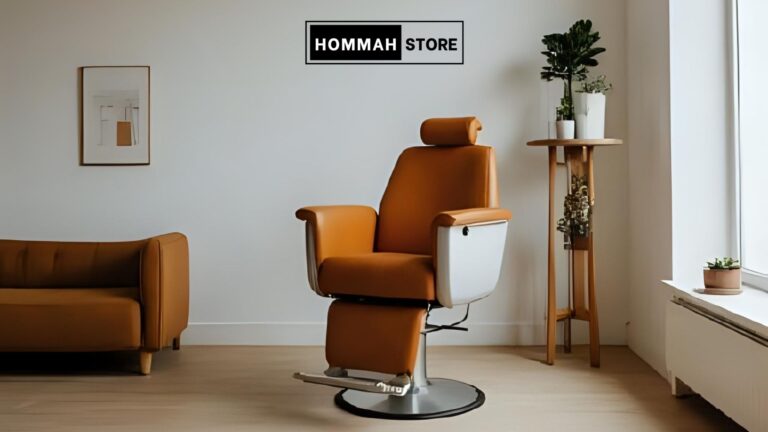
When browsing catalogs for a new Heavy-Duty Barber Chair, it is easy to get distracted by sleek designs, diamond stitching, and gold finishes. However, the true heart of any professional chair lies hidden beneath the seat: the lifting mechanism. Whether you are a master barber outfitting a new shop or an importer sourcing durable goods, understanding the difference between Hydraulic pumps and Gas Lift cylinders is vital. This guide will dissect the mechanics, durability, and suitability of these systems, ensuring your investment stands the test of time and supports your clients safely.
1. Why the Mechanism Matters: The Heart of Your Chair
The lifting mechanism does more than just adjust height; it dictates the stability, longevity, and safety of your Professional Salon Equipment.
Stability and Client Safety
A barber’s work requires precision. When you are performing a straight razor shave or a detailed fade, the chair must be rock-solid. A poor mechanism can cause the chair to wobble, slowly sink under weight, or bounce unexpectedly. For a Heavy-Duty Barber Chair, the mechanism must support significant weight without compromising stability, ensuring both the client’s safety and the barber’s accuracy.
Return on Investment (ROI)
Replacing a chair mechanism is costly and causes downtime in your shop. Choosing the correct mechanism from the start ensures your chair lasts for years, not months. High-traffic shops need mechanisms designed for thousands of lift cycles, resisting the wear and tear of daily commercial use.
2. The Gold Standard: Hydraulic Pumps
In the world of professional barbering, the Hydraulic Pump is the undisputed king. But what makes it so special?
How Hydraulic Pumps Work
Hydraulic systems use liquid (usually oil) to transmit force. Since oil cannot be compressed, it provides a incredibly strong and stable lift. When you pump the foot pedal, oil is moved into a cylinder, pushing the chair up. When you release the valve, the oil returns, lowering the chair smoothly.
Advantages for Heavy-Duty Use
- Superior Weight Capacity: A standard hydraulic pump on a Heavy-Duty Barber Chair can easily support between 450 to 700 lbs (200-300+ kg).
- Zero “Bounce”: Because it uses fluid, the lock is absolute. Once the height is set, it does not fluctuate.
- Longevity: Constructed with heavy metal components and seals, these pumps are built for commercial abuse.
- Smooth Recline Integration: Hydraulic bases provide the necessary counterweight stability required for chairs that recline 180 degrees.
Are There Downsides?
The only real “downside” is cost and weight. Hydraulic chairs are heavier and more expensive to manufacture than gas lifts. However, for a professional barber, this weight is actually a benefit, as it adds to the chair’s stability.
3. The Lightweight Option: Gas Lift Cylinders
You might see “Gas Lift” chairs advertised at lower prices. While great for office chairs, they have distinct limitations in a barbershop setting.
How Gas Lift Mechanisms Work
Gas lifts use compressed air (nitrogen gas) within a cylinder. When you pull the lever, the gas expands or compresses to change the height. It acts like a spring.
Why Gas Lifts Struggle in Barbershops
While acceptable for lightweight styling chairs in unisex salons, gas lifts are rarely suitable for a Heavy-Duty Barber Chair.
- Suspension Effect: Gas is compressible. This creates a “bouncy” feel when a client sits down or moves. This instability is a nightmare for precise clipper work.
- Lower Weight Limit: Most gas cylinders top out at around 250-300 lbs capacity.
- Failure Rate: Seals on gas cylinders tend to fail faster under heavy loads, leading to the dreaded “sinking chair” syndrome.
4. Comparing the Two: A Quick Guide
To help you make the best decision, here is a direct comparison of how these mechanisms perform in a professional environment.
| Feature | Hydraulic Pump | Gas Lift Cylinder |
| Best Application | Heavy-Duty Barber Chair | Office / Light Styling Chair |
| Weight Capacity | High (450-700 lbs) | Low/Medium (250 lbs) |
| Stability | Rigid, No Bounce | Slight Bounce / Springy |
| Cost | Higher Investment | Lower Cost |
| Lifespan | Long-Term (Years) | Short to Medium Term |
| Maintenance | Low (Occasional Seal check) | Non-repairable (Replace only) |
5. Maintenance Tips for Your Hydraulic Pump
Even the best Heavy-Duty Barber Chair needs care to maintain its performance. Here is how to protect your investment.
Routine Checks
- Clean the Shaft: Keep the metal piston clean from hair and hairspray buildup. Debris can damage the rubber seals, causing oil leaks.
- Check the Limits: Avoid pumping the chair to its absolute maximum height limit constantly, as this puts maximum pressure on the seals.
- Tighten the Base: Ensure the pump is securely bolted to the base plate to prevent wobbling at the bottom.
Troubleshooting
If your hydraulic chair starts to sink slowly, it doesn’t always mean the pump is broken. Often, it might just need a system bleed to remove trapped air bubbles, or a simple seal replacement, which is much cheaper than buying a new chair.
Conclusion
When it comes to outfitting a professional barbershop, cutting corners on the lifting mechanism is a mistake you cannot afford. While gas lifts have their place in lightweight applications, the Hydraulic Pump is the only viable option for a true Heavy-Duty Barber Chair.
By choosing a high-quality hydraulic mechanism, you ensure your clients feel secure, your cuts remain precise, and your furniture investment lasts for the long haul. Remember, a stable chair is the foundation of a steady hand.
Ready to Upgrade to Heavy-Duty Stability?
Don’t settle for wobbly, sinking chairs. Contact Hommah Store Today to explore our range of premium barber chairs equipped with industry-leading, high-capacity hydraulic pumps. Let us help you choose the equipment that supports your craft.